
Start with your plans
Your first cruise can feel like a vacation and a small logistics project at the same time. There are ships, routes, cabins, port days and onboard choices to sort through, but you don’t need to plan every moment to have a thoughtful trip.
These cruise tips for first timers cover the decisions that matter most, from choosing a sailing to getting ready for embarkation. Policies and pricing vary by cruise line; confirm the current details for your specific sailing before booking.
How do you choose your first cruise?
Start with the kind of vacation you want, not just the ship’s headline attractions. Do you picture relaxing onboard, seeing several destinations, spending time ashore, or mixing all three? Your answer can help narrow down the itinerary and the ship.
What cruise length fits your plans?
A shorter cruise can be a manageable introduction if you’re unsure whether you’ll enjoy time at sea. It may feel busier, though, with less time to settle into the ship’s routine. A longer sailing gives you more time onboard and may include more ports or sea days, but it also means a longer trip away.
Consider your available vacation time, travel to the departure port and how much of the trip you want to spend exploring the ship versus visiting destinations.
How does ship size affect the experience?
Ships differ in atmosphere, amenities and scale. A larger ship may offer more dining, entertainment and activity options, while a smaller one may feel more intimate. More options can also mean more walking or advance planning.
Look at the ship’s features and ask yourself which ones you’ll actually use. A long list of attractions matters less than whether the ship and itinerary suit your pace.
What should you look for in an itinerary?
Compare the destinations, number of sea days and time scheduled in each port. Look beyond the port name: consider how far the terminal is from places you want to visit and whether the day allows enough time for your plans. Port calls and schedules can change, so treat the itinerary as a plan to confirm, not a promise that every detail will remain fixed.
When should you book, and how do you choose a cabin?
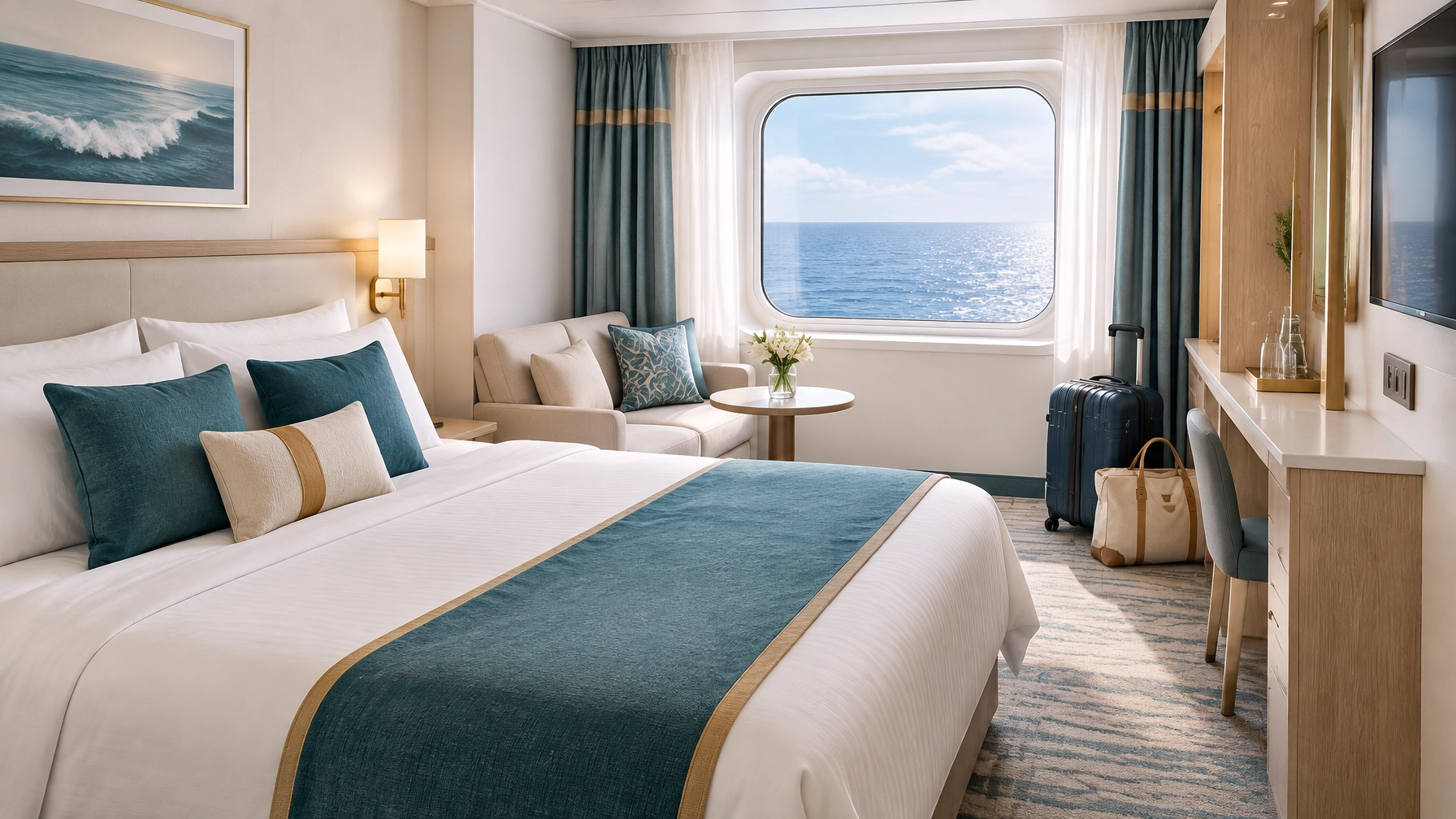
Booking earlier can give you more options to compare, particularly if you have specific travel dates, cabin needs or a preferred location in mind. The right timing depends on your flexibility and priorities. Before paying, review the current fare conditions, payment deadlines and cancellation terms.
Cabin categories commonly differ in whether they have a window or balcony, but the best fit depends on your budget and how you plan to use the room. If you expect to spend most of your time around the ship, a simple cabin may be a sensible place to rest. If natural light or private outdoor space is important to you, compare those options as well.
Check the deck plan before choosing. Think about walking distance to elevators and venues, accessibility needs, possible noise from nearby public spaces and the cabin’s location on the ship. If you are sensitive to motion, ask about cabin placement when comparing options rather than assuming one location will suit everyone.
What’s included in a cruise fare, and what may cost extra?
Inclusions vary by cruise line, ship, fare and sailing. A fare may cover your cabin, selected meals and some onboard activities, while other dining, drinks, internet access, excursions or services may be additional. Don’t rely on a general description or another traveler’s experience to determine what your fare includes.
Before booking, read the current inclusion details for the specific sailing. Make a short list of what matters to you (perhaps Wi-Fi, certain drinks or a shore excursion) and check whether each item is covered or optional. The Cruise Lines International Association’s first-cruise guide is another starting point for learning about the cruise experience.
What should you pack, and how can you plan port days?
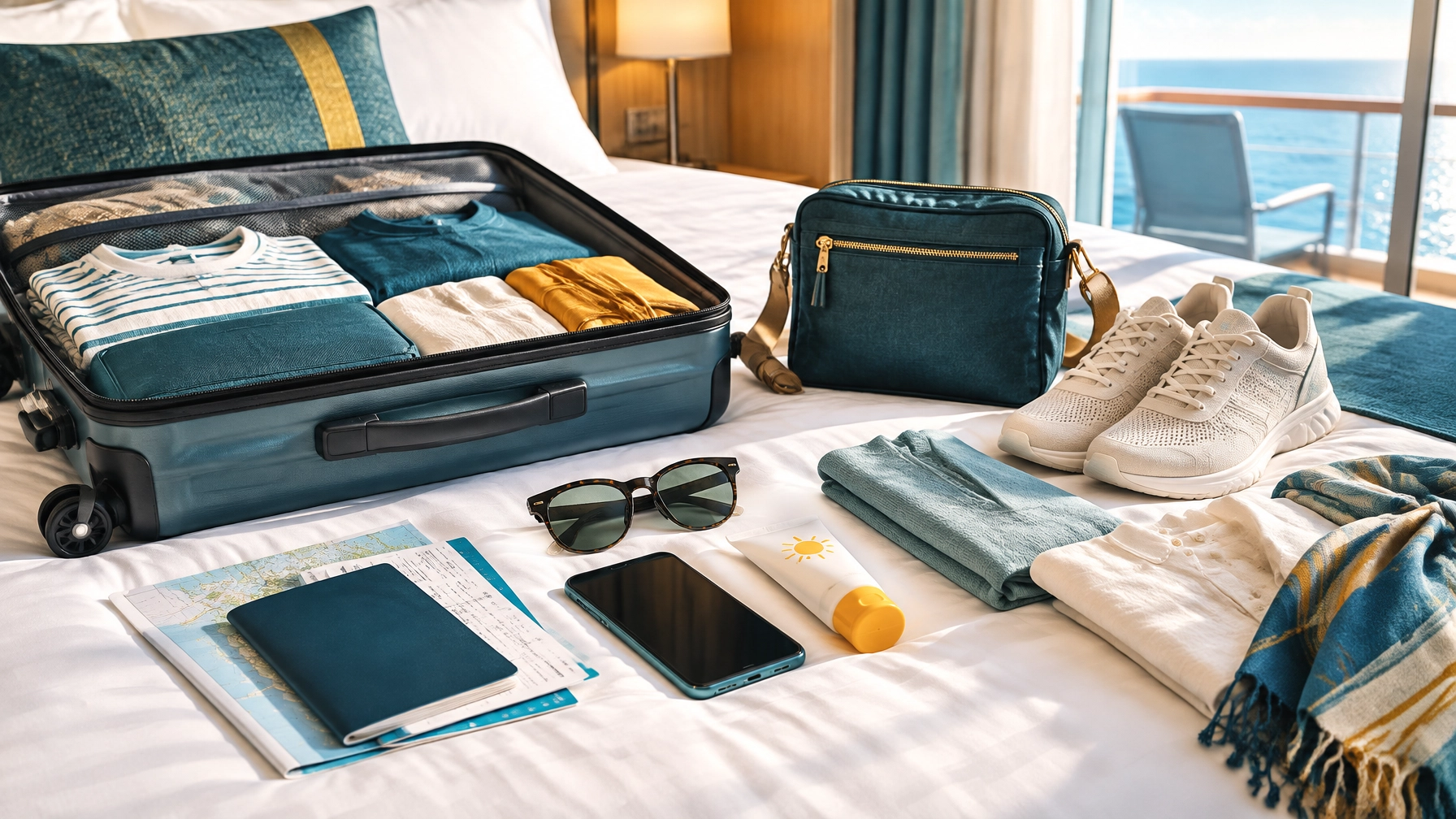
Keep essentials in a small bag you can carry onboard. Checked luggage may not arrive at your cabin right away, so pack medications, travel documents, valuables, a phone charger and anything you’ll need during your first hours on the ship. A change of clothes, swimwear or sunscreen may also be useful, depending on your plans.
For the rest of your packing, consider the weather, comfortable walking shoes, layers and the activities you expect to enjoy. Check your cruise line’s current luggage and prohibited-items rules before you pack. For more ideas, see our cruise packing list.
For each port, research the distance from the terminal, local transportation, activity timing and how you’ll return. Write down the all-aboard time and leave a generous buffer if you make independent plans. A ship-arranged excursion may simplify some transportation logistics; an independent outing can offer flexibility but puts more of the timing and coordination in your hands. Review current excursion details and terms before deciding.
What should you expect on embarkation day?
Follow the cruise line’s current check-in instructions and assigned arrival time. Give yourself room for transportation, traffic, terminal procedures and document checks. If you’re flying to the departure city, consider arriving the day before when your schedule allows, so a delayed flight is less likely to disrupt your plans.
Keep documents, medication and valuables with you rather than in checked luggage. Once onboard, check the ship’s instructions and schedule, get oriented and confirm any reservations or activities you want to arrange. You don’t have to do everything on the first afternoon; a few minutes to settle in can make the start of your trip feel calmer.
How should you handle onboard spending and common first-cruise mistakes?
Drink packages, excursions and other extras are personal decisions, not automatic must-haves. Estimate what you are likely to use, then compare that with the current package terms and price. Policies and pricing vary by cruise line; confirm before booking. You can also set a trip spending limit and check your onboard account during the sailing so optional purchases don’t take you by surprise.
A few common first-timer missteps are easy to avoid:
- Choosing a cruise based only on its advertised fare instead of reviewing the overall trip costs and inclusions.
- Picking a ship or itinerary without considering how much time you want at sea and in port.
- Skimming the deck plan and overlooking cabin location, noise or accessibility considerations.
- Packing important documents or medicine in checked luggage.
- Planning too many activities for a port day or leaving little time to return to the ship.
- Assuming a package or policy works the same way across cruise lines.
How can a travel planner help first-time cruisers?
When you’re new to cruising, comparing several options can be a lot to manage. A travel planner can help you compare itineraries, cabin options and time in port, then organize the trip around your schedule and preferences. Curry Travel Co. helps travelers review those choices and coordinate cruise plans; final prices, policies and availability should be confirmed for the sailing you select.
If you’re still deciding between a cruise and a land-based vacation, our guide to cruise vs. all-inclusive trips can help you think through the difference. Families considering a Disney sailing can also read our separate Disney cruise tips for first timers.
Keep planning with a focused checklist
Use this guide to compare your options, then follow the companion checklist for the next planning steps.